GI Wire vs HB Wire: ₹8/kg Difference, Which Saves You Money?
Practical comparison of GI (galvanised iron) wire and HB (hard-bright) wire for construction, fencing, industrial binding and fabrication. Understand the differences in corrosion protection, tensile strength, cost and applications before you order.
I've been trading wire for four decades. And one question I hear more than almost any other: "Should I buy GI or HB?" The short answer depends on where the wire is going and how long it needs to last. But the longer answer — the one that saves you real money — involves understanding when the GI premium is worth it versus when HB will do the job just fine.
Let's break it down with real numbers, real applications, and no marketing fluff.
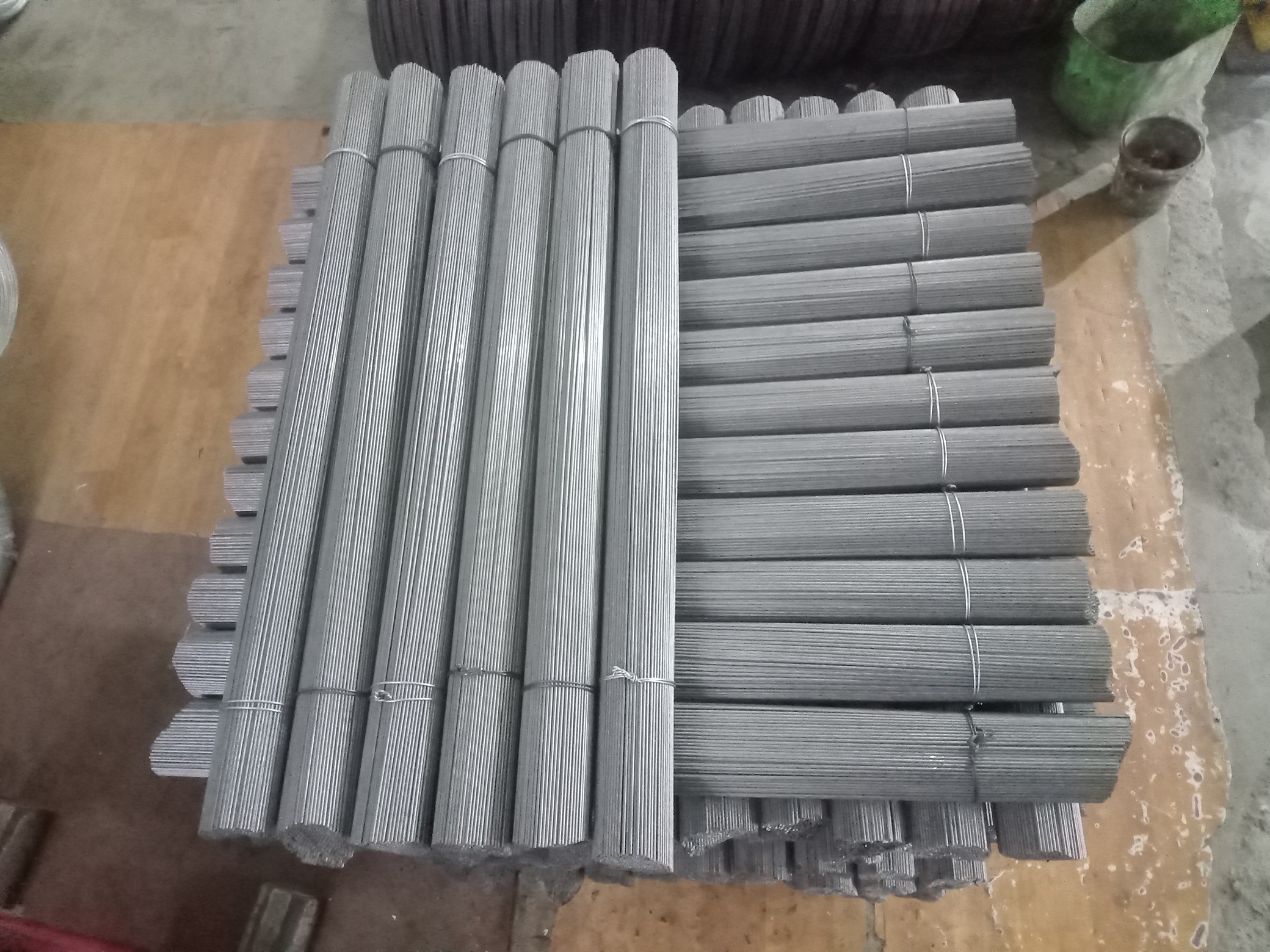
GI wire — electro-galvanised, stock grade
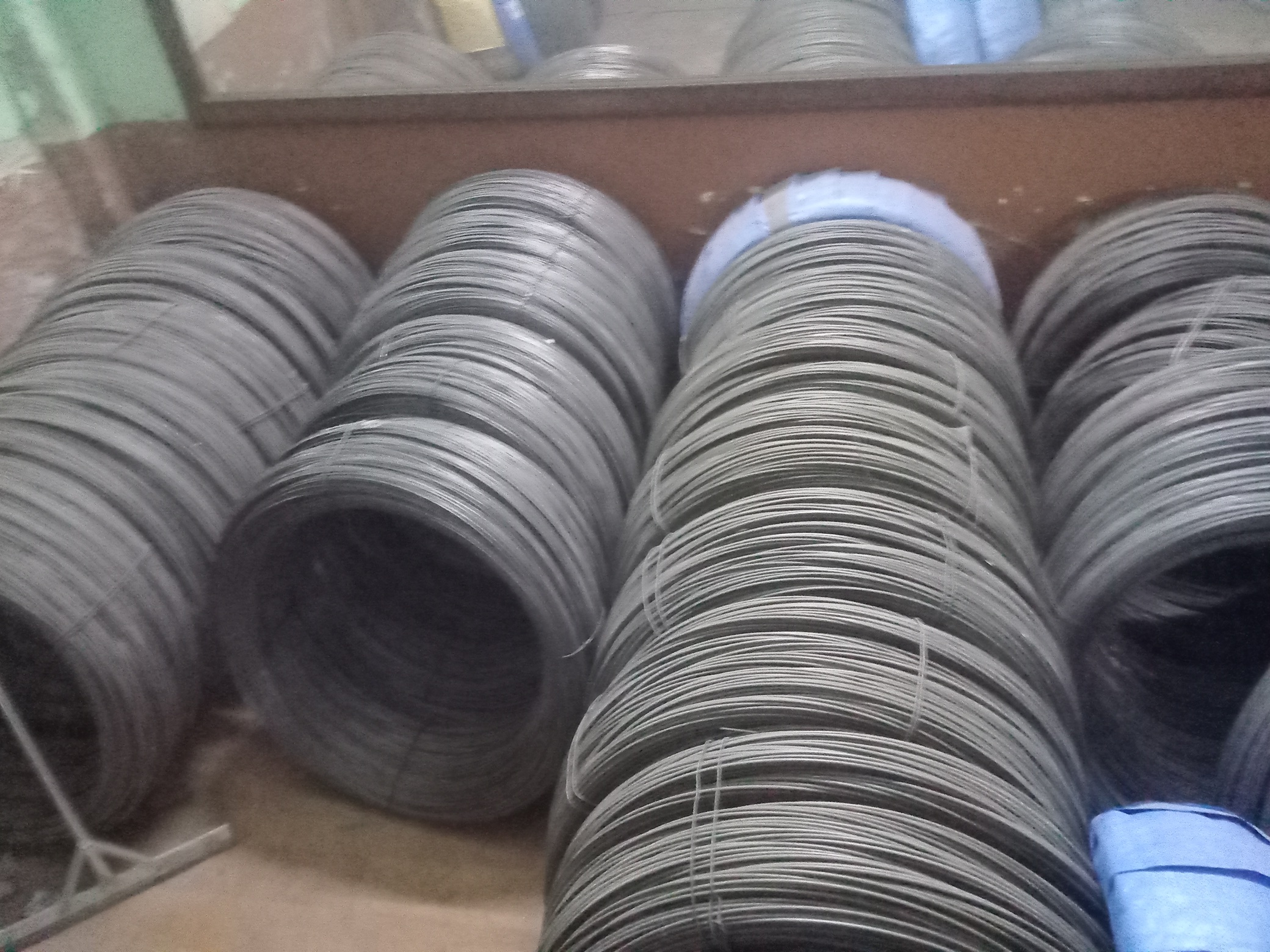
HB wire — hard-bright, no corrosion protection
The Cost Picture: ₹8/kg at Current Rates
Here's something that surprises most buyers: the premium for GI wire over HB is much smaller than they expect. At current market rates (20 May 2026), our stock electro-galvanised GI wire (zinc coating 5-40 g/m²) runs about ₹70.50/kg at 8 SWG, while HB wire is about ₹62.50/kg. That's an ₹8/kg difference. For heavy-duty outdoor applications requiring maximum corrosion protection, we also supply hot-dip galvanised (HDG) wire to IS 280 Heavy coating with 180-290 g/m² — available on demand with an additional premium over our stock GI.
Here's the breakdown by grade:
- Electro-galvanised GI (stock, 5-40 g/m²) vs HB: Difference of about ₹8/kg at 8 SWG. Suitable for indoor, general construction binding, and outdoor use. The everyday GI wire for most applications.
- Hot-dip HDG (IS 280 Heavy, 180-290 g/m²) vs HB: Higher premium. Heavy-duty outdoor protection — available on demand for coastal, gabion, and long-life fencing installations. Contact us for HDG pricing.
The premium varies by gauge (finer gauges have higher per-kg differentials), but the key insight is this: the ₹8/kg premium for stock electro-galvanised GI is only about 11-13% more than HB at current rates. For that modest premium, you get corrosion protection that lasts years outdoors instead of months.
For a typical construction site using SWG 16 (1.63 mm) wire, switching from HB to our stock electro-galvanised GI costs roughly ₹8,000 extra per tonne — negligible compared to the cost of rusted wire on an exposed slab.
When HB Wire Is the Smarter Buy
Rebar tying in reinforced concrete. The concrete itself protects the steel. Once the pour is done, the wire is encased in an alkaline environment that passivates the steel. HB wire will last the life of the structure. Why pay any premium for zinc that will never be used?
Indoor binding and packaging. If the wire stays indoors — bundling manufactured goods, baling scrap, packaging — HB's higher tensile strength (550-700 MPa vs 300-550 MPa for GI) means you get more holding power per kg. Stronger, cheaper, no rust risk indoors. No contest.
Precast concrete elements. Pipes, manhole covers, paving blocks — all tied with HB wire before casting. Again, the concrete protects the wire for its entire service life.
Temporary construction works. if the wire is holding formwork that will be stripped in weeks, or tying temporary structures, HB is the right answer. Don't pay for durability you don't need.
When GI Wire Is Worth Every Rupee
General outdoor use. For exposed outdoor applications like fencing, vineyard trellises, and agriculture, our stock electro-galvanised GI wire (5-40 g/m²) provides meaningful corrosion protection at about ₹8/kg over HB — far cheaper than replacing rusted wire.
Gabion baskets, coastal & long-life fencing. For heavy-duty outdoor use — gabion baskets sitting in water, coastal construction within 5 km of the sea, or fencing that needs 5-15+ year life — specify hot-dip HDG (IS 280 Heavy, 180-290 g/m²), available on demand. The higher premium over HB is cheap insurance against catastrophic failure.
Exposed concrete surfaces. If the concrete surface will be visible (slab edges, exposed aggregate, architectural concrete), our stock electro-galvanised GI wire prevents rust staining on the finished surface. HB wire left too close to the surface can create ugly rust spots that ruin the appearance.
The ₹1 Lakh Example
Let me give you a real scenario. A mid-sized construction company in Mumbai was using electro-galvanised GI wire for all their rebar tying — indoor columns, slabs, everything. They'd been doing it for years because "that's the spec." Total monthly consumption: 12 tonnes of SWG 16 wire.
I sat with their procurement manager and walked through every application. Result: 8 of the 12 tonnes could switch to HB because the wire would be fully encased in concrete. Only 4 tonnes — the exposed slab edges and coastal-facing balcony work — needed GI.
At roughly ₹8/kg difference, switching 8 tonnes per month saved them about ₹64,000 per month. Over 12 months: roughly ₹7.7 lakh per year.
That's a real saving from a 20-minute conversation matching the wire to the actual exposure condition. The logic still holds: don't pay for zinc you don't need.
Quick Selection Guide
| Application | Choose | Why |
|---|---|---|
| Rebar tying (indoor) | HB | No corrosion risk; higher strength per kg |
| Rebar tying (exposed concrete) | GI (stock electro) | Prevents rust staining on visible surfaces |
| Gabion baskets | GI (HDG on demand) | Continuous outdoor/water exposure — HDG required |
| Perimeter fencing (general) | GI (stock electro) | GI lasts years longer than bare wire outdoors |
| Perimeter fencing (long-life/coastal) | GI (HDG on demand) | HDG 180-290 g/m² for 5-15+ year life |
| Industrial packaging | HB | Indoor; HB is stronger and cheaper |
| Precast concrete | HB | Embedded · alkaline environment protects steel |
| Coastal construction | GI (HDG on demand) | Salt air accelerates rust — HDG required |
| Underground / buried | GI (HDG on demand) | Soil moisture corrodes HB rapidly — HDG required |
Frequently Asked Questions
Can I use HB wire instead of GI wire for outdoor fencing?
Not recommended. HB wire has no corrosion protection and will begin rusting within weeks of outdoor exposure. For fencing that lasts, specify our stock electro-galvanised GI wire for general outdoor use, or hot-dip HDG (IS 280 Heavy, 180-290 g/m²) on demand for long-life or coastal installations. The cost premium over HB is negligible compared to replacing rusted fencing in 1-2 years.
Which is stronger — GI wire or HB wire?
HB wire is stronger. The hard-drawing process work-hardens the steel, giving HB wire a tensile strength of 550-700 MPa compared to 350-550 MPa for GI wire. If maximum strength per kg is your priority (e.g., rebar tying, packaging), HB is the better choice.
What is the difference between electro-galvanised and hot-dip GI wire?
Our standard stock GI wire is electro-galvanised (zinc-plated), with a thin zinc layer (5-40 g/m²) suitable for general indoor and light outdoor use. Hot-dip galvanising (HDG) creates a thicker zinc-iron alloy layer (180-290 g/m² per IS 280 Heavy) with 5-10× the corrosion protection. We supply HDG on demand for heavy-duty outdoor, coastal, and long-life applications.
What gauge HB wire is used for rebar tying in India?
SWG 16 (1.63 mm) is by far the most common gauge for rebar tying on Indian construction sites. SWG 18 (1.22 mm) is used for lighter tying work. Both are stocked in depth at Goyal Metal.
Continue Reading
Get a Quote Within 2 Working Days
We supply both electro-galvanised GI wire and IS 280 HB wire across the full gauge range. Cut-to-length and ring making services available.