Bare Copper vs Aluminium Wire: When to Switch & Save
Practical guide comparing bare copper wire vs aluminium wire for industrial buyers. Cost difference, when to switch, when to stick with copper. Real examples from 40 years in the wire business.
I've been in this business for forty years. Forty years of seeing buyers make the same decision over and over — pick copper because "that's what we've always used." And sometimes that's the right call. Sometimes it isn't.
This guide is not theory. It's what I've seen work and fail on the ground. If you're buying wire in volume — kilometres of it every month — the material choice between bare copper and aluminium wire is one of the biggest cost decisions you'll make.
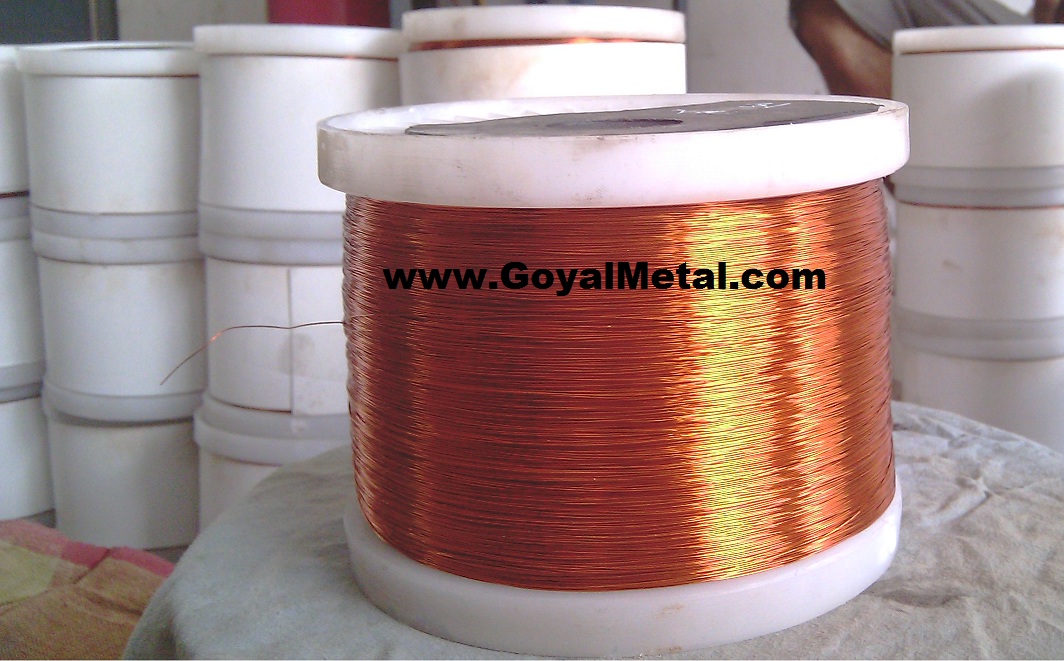
Bare copper wire — highest conductivity, premium cost
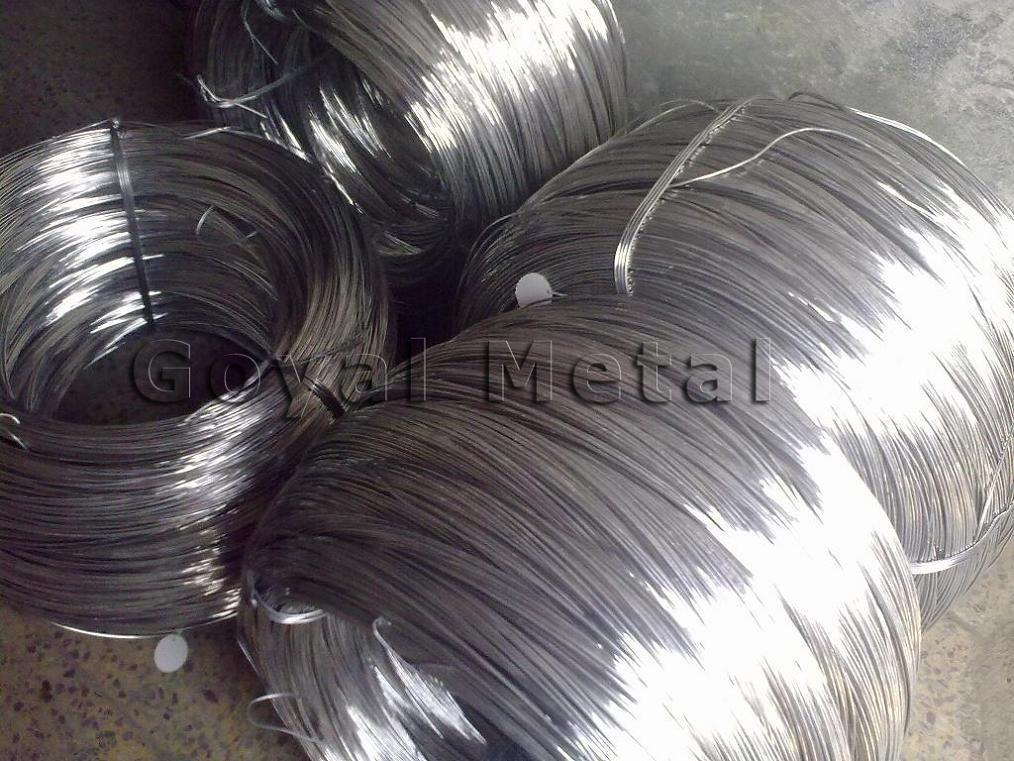
EC-grade aluminium wire — 3.3:1 cost advantage
The ₹8.9 Crore Question
Let's do the math with today's market rates. Say you're using 2.5 mm bare copper wire for overhead transmission, busbars, or earthing in a medium-scale industrial operation.
Copper at current market (as of 20 May 2026): roughly ₹1,420/kg. That's ₹1,420 per kg of conductor.
Aluminium at equivalent conductivity (as of 20 May 2026): roughly ₹420/kg. But you need less weight because aluminium is lighter — about 52% of copper's weight for the same current capacity.
Here's the real calculation. Take a buyer using 6.2 tonnes of bare copper per month. At ₹1,420/kg, that's ₹88 lakh per month. Switch to aluminium — you need 3.2 tonnes (52% weight at same conductivity). At ₹420/kg, that's ₹13.5 lakh. Monthly saving: ₹74.5 lakh. Annual saving: ₹8.9 crore.
That ₹8.9 crore figure isn't hypothetical. It's a realistic mid-range example for a medium-scale industrial buyer — a transformer manufacturer, cable maker, or substation fabricator using 6-7 tonnes of bare copper every month. Your numbers may differ. But the direction is clear.
Cost Reality: Raw Material Markup
Copper on the LME as of 20 May 2026 runs about ₹1,350-1,450/kg after import duties and premiums. Aluminium runs ₹390-440/kg. The feedstock cost alone gives aluminium a roughly 3.3:1 advantage.
But here's what matters — the markup. Copper wire drawing has tighter margins because the raw material cost dominates. Aluminium drawing has better margins for the supplier. So when I quote you, the copper price feels painful to me too. The aluminium price leaves everyone a bit happier.
That said, don't let the price gap fool you into making the wrong choice. Aluminium isn't always the answer.
When NOT to Switch: Stick With Copper
Space-constrained installations. Copper's conductivity per cross-section is roughly 60% higher than aluminium. If your bus bars or cable trays are already tight, you cannot simply swap gauge-for-gauge. You'll need a bigger cross-section with aluminium, and that may not fit.
High-temperature environments. Copper handles sustained heat better. Above 120°C continuous, aluminium connections start to creep, loosen, and oxide. If your application runs hot, stay with copper.
Fine-gauge winding wire. Below 0.5 mm diameter, aluminium becomes fragile to draw and handle. For motor windings, transformers, and coils using fine wire, copper is still the practical choice for most shops.
Direct burial or corrosive environments. Copper handles soil corrosion better than aluminium, especially in acidic or alkaline conditions. If the wire goes underground in uncertain soil, choose copper.
When Aluminium Makes Perfect Sense
Overhead power transmission. This is the no-brainer. Aluminium is lighter per unit of conductivity, which means less load on transmission towers. That's why ACSR (aluminium conductor steel-reinforced) cable dominates overhead lines worldwide.
Long cable runs in conduit. If you're pulling wire through 500 metres of conduit, aluminium is easier on your pullers and easier on your budget. The weight advantage — aluminium is one-third the density of copper — means less sag, less support, less labour.
Earthing grids in neutral soil. For grounding applications in neutral pH soil, aluminium works well if properly installed with anti-oxidant compound at joints.
Bus bars in substations. Aluminium bus bars are standard in most modern substations. Properly sized and with bi-metallic connectors at transition points, they perform reliably at a fraction of copper cost.
The Hidden Costs Nobody Talks About
Termination hardware. Aluminium needs special connectors. You can't just use the same lugs you use for copper. Bi-metallic connectors or tin-plated aluminium lugs cost more. Factor this in.
Installation labour. Aluminium is lighter (easier), but requires more careful handling (harder). Nicks and scratches matter more because aluminium work-hardens and can crack at sharp bends.
Oxide removal. Aluminium forms an insulating oxide layer instantly on fresh cuts. Every joint needs scraping and anti-oxidant compound. This takes time. Your electricians need to know this.
Thermal expansion. Aluminium expands and contracts about 40% more than copper with temperature changes. Long runs need expansion loops or sliding supports. Fixed connections can loosen over time if not designed for this.
Quick Selection Guide
| Application | Choose | Why |
|---|---|---|
| Overhead transmission lines | Aluminium | Lighter, cheaper, proven in ACSR for decades |
| Substation bus bars | Aluminium | Standard practice, huge savings, reliable with proper connectors |
| Motor windings (fine wire) | Copper | Aluminium too fragile below 0.5 mm for most applications |
| Earthing / grounding (neutral soil) | Both | Both work; copper preferred for acidic/alkaline soil |
| Direct burial | Copper | Superior corrosion resistance in uncertain soil conditions |
| Space-constrained cable trays | Copper | Higher conductivity per cross-section saves space |
| High-temperature applications | Copper | Aluminium creeps and oxidises above 120°C continuous |
| Long conduit runs | Aluminium | Easier pulling, less weight, lower cost |
Frequently Asked Questions
Can I directly substitute aluminium wire for copper wire of the same gauge?
No. Aluminium has about 61% of copper's conductivity. To carry the same current, you need roughly two gauges larger — for example, replacing 2.5 mm² copper with 4 mm² aluminium. Always check current-carrying capacity tables, not just physical dimensions.
Does aluminium wire oxidise and cause connection failure?
Yes, if not installed correctly. Aluminium forms a non-conductive oxide layer instantly when exposed to air. Proper installation includes wire-brushing the surface and applying anti-oxidant compound at every termination. With correct practice, aluminium connections are reliable for decades.
Is aluminium wire more difficult to handle than copper?
In some ways yes, in some ways no. Aluminium is lighter (easier to pull), but more prone to nicks and work-hardening if bent sharply. Your team needs to handle it with care — no sharp edges on supports, no kinking, no hammering to shape. The learning curve is short.
What about scrap value — does copper retain more?
Copper scrap commands a much higher price per kg than aluminium scrap. For applications where the wire will be replaced or decommissioned within a few years, copper's residual scrap value reduces the total cost of ownership. For permanent installations like substations or buried grids, the scrap difference matters less because the wire stays in place for 20-30 years.
Continue Reading
Get a Quote Within 2 Working Days
We supply both bare copper and aluminium wire across the full range. Cut-to-length and custom drawing services available.