Copper → Aluminium Switch: How to Calculate True Cost Savings
Every electrical manufacturer in India considers the copper-to-aluminium switch at some point. Copper prices are volatile and generally rising. Aluminium is cheaper per kilogram by a wide margin — but the calculation is not as simple as comparing per-kg prices. You have to factor in conductivity, cross-sectional area, weight, and terminal compatibility. This article walks through the real math.
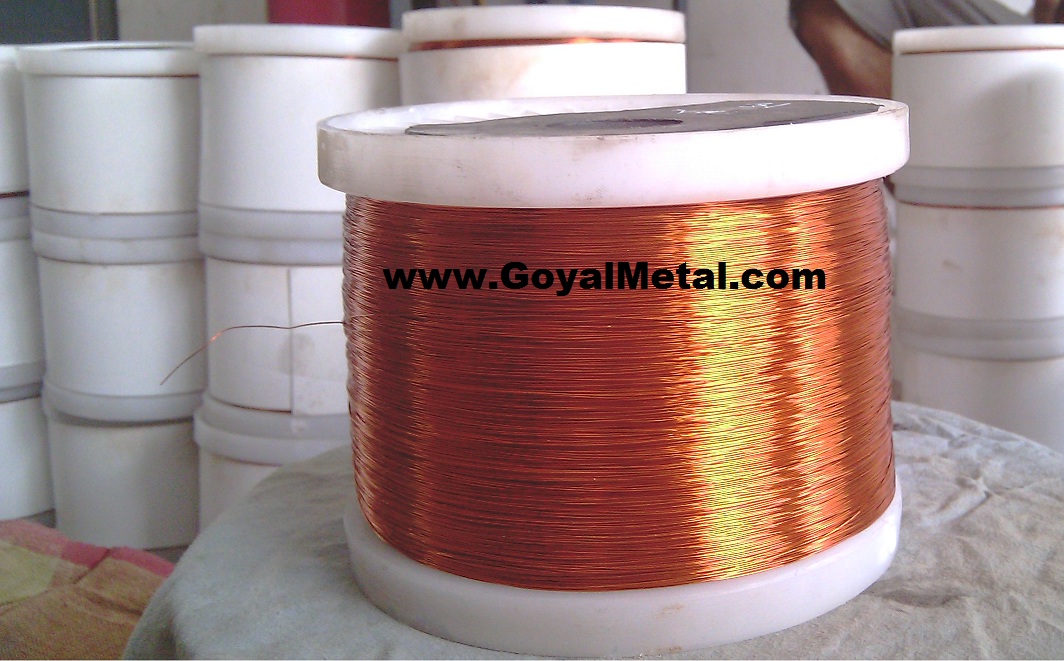
Copper — ₹1,350-1,450/kg, 100% IACS
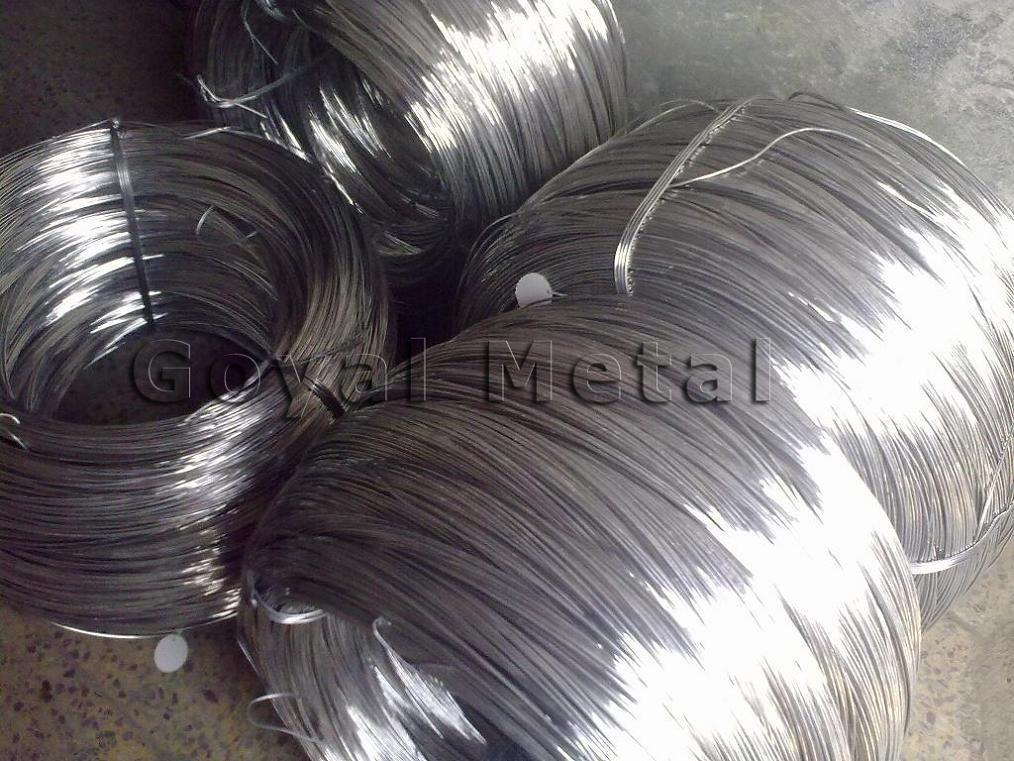
Aluminium — ₹390-440/kg, 61% IACS
The Basic Math · It Is Not a Straight Comparison
At first glance, aluminium looks like an obvious winner. At roughly ₹415/kg versus ₹1,400/kg for copper, aluminium costs about 70% less per kilogram. But the story does not end there.
Aluminium has approximately 61% of the conductivity of copper (by IACS standard). This means to carry the same current, you need a larger cross-section of aluminium — roughly 1.6 times the cross-sectional area of copper. Fortunately, aluminium is also much lighter — about 30% of the weight of copper for the same volume. So even though you need more volume, the weight per metre ends up being about half that of copper for the same current rating.
The real calculation is cost per amp-metre, not cost per kilogram. When you do the full math, aluminium typically saves 40–60% on material cost for equivalent conductivity — impressive, but not the 70% that the raw per-kg comparison suggests.
Real-World Example · Busbar for a 500 kVA Transformer
Let us run the numbers on a real industrial application — busbars for a 500 kVA transformer. The secondary side at 415 V needs to carry roughly 700 A. In copper, a standard busbar design might use two 50×6 mm strips per phase. In aluminium, you need a larger cross-section — say two 75×6 mm strips — to handle the same current.
| Parameter | Copper Design | Aluminium Design |
|---|---|---|
| Strip Size | 2 × 50×6 mm per phase | 2 × 75×6 mm per phase |
| Cross-Section per Phase | 600 mm² | 900 mm² |
| Weight per Metre (3 phases) | 16.1 kg/m | 7.3 kg/m |
| Material Cost | Copper cost ₹22.4–24.1 crore | Aluminium cost ₹7.8–8.2 crore |
| Savings | Savings? ~₹15 crore — 64% reduction in material cost while maintaining equivalent current rating | |
Note: The cost figures above are for a very large-scale procurement (multiple transformers). For a single transformer, the absolute savings would be proportional — the percentage saving remains consistent.
When the Switch Is Safe · and When It Is Not
Aluminium is a perfectly safe and proven conductor — it has been used in overhead transmission lines, transformer windings, and busbars for decades. But there are situations where aluminium is not appropriate, and knowing the difference is critical.
Safe for Aluminium
- Overhead transmission and distribution lines — AAC, AAAC, and ACSR conductors are standard worldwide
- Transformer windings — aluminium foil or wire windings are common in distribution transformers
- Busbars in substations and panels — when properly sized and terminated with bimetallic connectors
- Cable conductors — aluminium cables are widely used for mains distribution
- Automotive wiring — modern cars use aluminium for weight reduction in wiring harnesses
Not Safe for Aluminium
- Direct connection to copper terminals without bimetallic washers — galvanic corrosion will occur at the junction
- Very high ambient temperature environments (>100°C) — aluminium creeps at elevated temperatures, loosening connections
- Highly corrosive environments (acid fumes, coastal salt spray) — aluminium corrodes faster than copper in acidic conditions
- Space-constrained designs with no room for upsizing — if you cannot fit the larger aluminium cross-section, copper remains the only option
Conductivity Trade-Offs · The Technical Details
The conductivity ratio between aluminium and copper is often quoted as 61%, but this is for electrical grade (EC grade) aluminium with 99.5% purity. Lower grades or aluminium alloys have significantly worse conductivity. When doing your calculations, always use the conductivity value for the specific grade you plan to buy.
The size correction factor is straightforward:
- For the same current, aluminium cross-section = copper cross-section × (100/61) ≈ 1.64 × copper area
- Weight saving: aluminium weight per metre = (1.64 × 0.30) × copper weight ≈ 0.49 × copper weight
- Cost saving = depends on the current LME prices for both metals — always check before committing
For small quantities, the savings may not justify the engineering re-evaluation required. But for large-volume production — transformer windings, cable manufacturing, busbar fabrication — the numbers are compelling enough to warrant a serious look every time copper prices spike.
Frequently Asked Questions · Copper to Aluminium Switch Savings
What grade of aluminium is used for electrical conductors?
EC grade (Electrical Conductor grade) aluminium with 99.5% minimum purity is the standard. Alloy 1350 is the most common designation. For higher strength applications like overhead lines, alloys such as 6201 are used, though they have slightly lower conductivity (52–55% IACS).
Can I connect aluminium wire directly to a copper terminal?
Not directly — galvanic corrosion will occur where dissimilar metals contact in the presence of moisture. Use bimetallic (Al/Cu) lugs, bi-metallic washers, or tin-plated copper terminals rated for aluminium connections. This is a well-understood problem with standard solutions available at any electrical supply house.
How much can I save switching from copper to aluminium wire?
For equivalent current-carrying capacity, expect 40–60% material cost savings using aluminium. The exact number depends on current LME prices, the specific product form (wire, strip, busbar), and whether the existing design needs modification to accommodate the larger cross-section. We recommend running the full calculation for your specific case.
Does aluminium wire require special handling during installation?
Yes. Aluminium is softer than copper and more prone to nicking and scoring. Clean the contact surfaces thoroughly, use an anti-oxidant compound (e.g., Alnox or Penetrox) on connections, and use a torque wrench to tighten terminals to the manufacturer's specification — overtightening can deform an aluminium conductor.
Continue Reading
Get a Quote Within 2 Working Days
We supply both EC-grade aluminium wire/strips and high-conductivity copper. Our team can help you calculate the real savings for your specific application.